Kaedi, Mauritania
Life Along the Senegal River
Introduction
If you arrive in Kaédi just after sunrise, the first thing you notice is the quiet rhythm of the river. The Senegal River moves slowly, reflecting the warm golden light, while wooden boats float close to the shore. Farmers carry sacks of millet toward the morning market, and women in brightly patterned fabrics walk along sandy pathways. Kaédi is not the kind of destination you find in glossy travel brochures but that is exactly why it leaves a lasting impression.
Located in southern Mauritania, Kaédi is a place where river life, agriculture, and diverse ethnic traditions come together. This guide offers a full look into the daily life, culture, geography, and travel experience in Kaédi, with updated context for 2025. Whether you are a traveler seeking something authentic or a curious reader wanting to understand this part of West Africa, this guide will take you through the city’s heart.
Location & Quick Facts
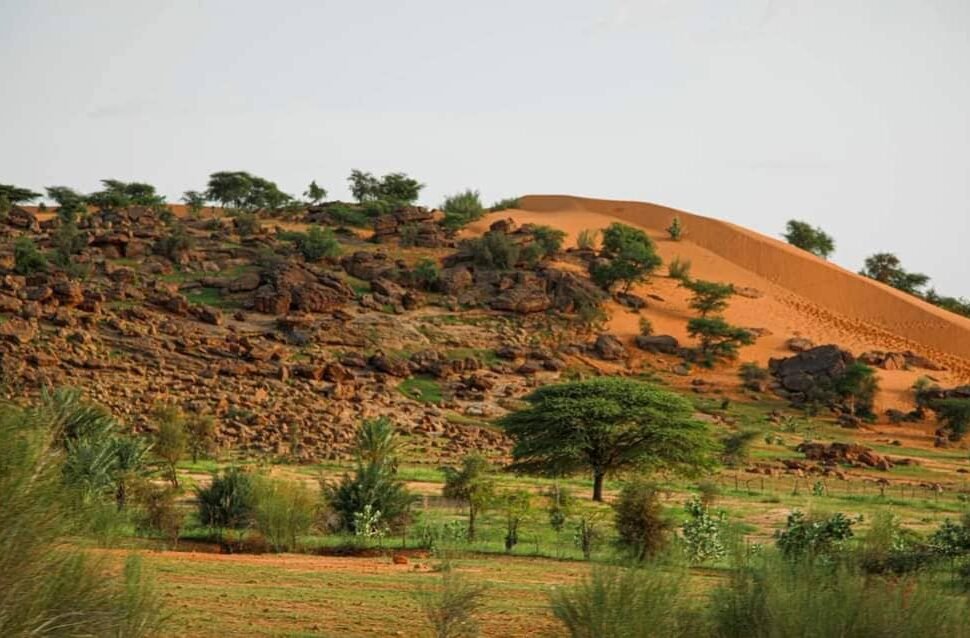
Kaédi is the capital of the Gorgol Region in southern Mauritania. It sits close to the border with Senegal, positioned along the Senegal River—a lifeline for agriculture, fishing, and daily activities.
Key Details
- Region: Gorgol, Mauritania
- Elevation: Approximately 23 meters
- Estimated population (2025): Around 55,000 57,000
- Geography: Riverine zone known as “Chemama,” ideal for farming
- Nearest major city: Nouakchott (about 435 km north)
Kaédi’s strategic position along the river explains much of its culture and economy. The land is more fertile compared to Mauritania’s desert interior, and the river provides both food and livelihood.
History & Cultural Identity
A Blend of Ethnic Traditions
Kaédi is home to a mix of ethnic groups White Moors (Bidhan), Black Moors (Haratin), Pulaar/Fula, and Soninke communities. This mixture shapes the city’s languages, clothing, food, architecture, and social customs.
You’ll hear conversations in Hassaniya Arabic, Pulaar, and sometimes Soninke. When you walk through the main market, each section feels slightly different depending on who runs the stalls. Culture is not presented as a tourist attraction; instead, it is lived naturally in everyday routines.
Architectural Notes
One of Kaédi’s most distinctive structures is the Kaédi Regional Hospital, designed with local materials and dome shaped forms. Though built decades ago, it remains a landmark admired for its environmentally conscious design and adaptation to local climate conditions.
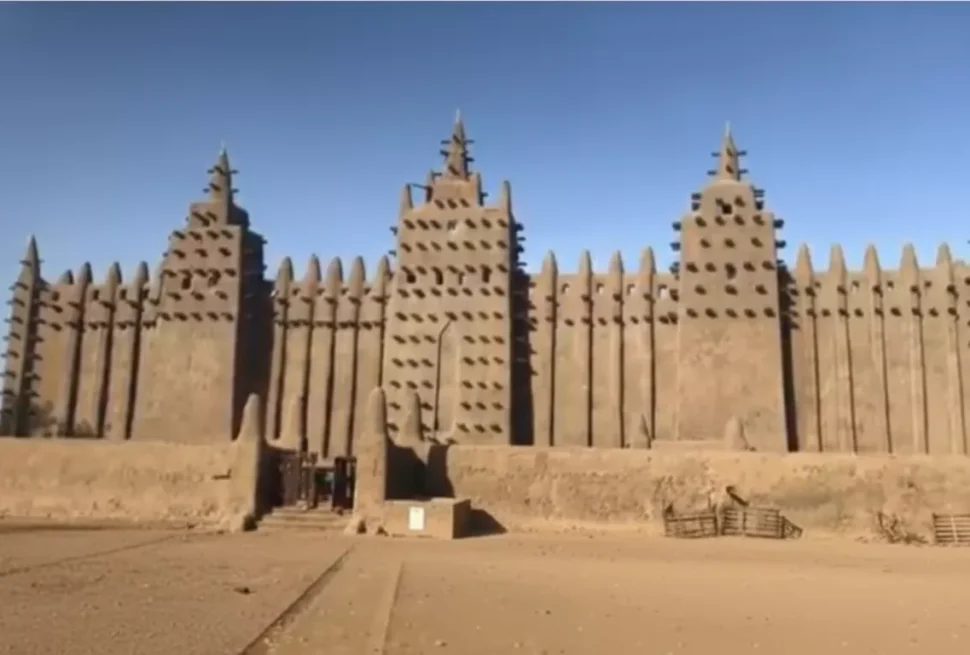
The rest of the city reflects traditional Sahel style architecture—mud brick houses, flat roofs, narrow sandy streets, and occasional courtyards shaded by trees.
Geography & Climate
Life Along the Senegal River
The river is the beating heart of Kaédi. It irrigates fields of rice, vegetables, and millet. It provides fish for the local markets. It even shapes the city’s layout—homes and farms stretch close to the banks.
If you stand near the water in the late afternoon, you’ll notice herders guiding cattle toward the river, children playing near the shallows, and traders moving goods by boat.
Weather & Best Time to Visit
Kaédi has a Sahelian climate:
- November to February: Mild, breezy, and the most pleasant for visitors
- March to June: Hot and dry
- July to September: Rainy season, with potential flooding in some river zones
For travel comfort, the cooler months between November and February are ideal.
Economy & Everyday Life
Agriculture at the Center
Unlike northern Mauritania, Kaédi depends heavily on agriculture. Key crops include:
- Rice
- Millet
- Sorghum
- Vegetables (onions, tomatoes, okra)
Farming communities work small, family-owned plots, and many rely on seasonal floods for natural irrigation.
Local Commerce & Markets
Kaédi’s central market is one of its most vibrant spaces. You will find:
- Fresh produce from surrounding farms
- Handmade baskets filled with millet
- Locally woven fabrics and scarves
- Traditional clay cookware
- Street food stalls serving rice dishes and grilled fish
The market is not overly commercialized; instead, it feels like a genuine part of everyday life, where families shop and farmers sell their harvest.
What to See & Do in Kaédi
Travelers don’t come to Kaédi for luxury hotels or manicured tourist attractions. They come for experiences rooted in real life.
Walk Along the Senegal River
A morning or evening walk along the river is the best way to understand Kaédi’s rhythm. You’ll see fishermen preparing nets, herders leading animals to drink, and boats crossing between nearby villages.
Explore the Main Market
The market offers a sensory experience of earthy smells, colorful textiles, baskets filled with grains, and the lively hum of bargaining. It’s a great place to buy local crafts or simply observe daily routines.
Visit Surrounding Villages
Just outside the city, small villages offer a deeper look into Pulaar and Soninke traditions. Clay houses, communal courtyards, handmade tools, and open-air gathering spaces reveal a quieter, slower paced lifestyle.
Community Events & Cultural Moments
Festivals, markets, and community gatherings happen throughout the year, especially after harvest seasons. Though schedules vary, locals often welcome visitors to observe cultural ceremonies with respect.
Practical Travel Information (2025)
Getting There
- The most common route is driving from Nouakchott a long but manageable journey.
- Shared taxis, minibuses, or private drivers are typical options.
- Roads are improving, but expect some rough sections, especially near rural areas.
Accommodation
Kaédi has a few small hotels and guesthouses. Most offer basic comfort rather than luxury. If you require reliable internet, air conditioning, or Western style amenities, plan accordingly.
Food & Local Dishes
Popular dishes in Kaédi include:
- Grilled river fish with rice
- Millet based porridge (lakh)
- Slow cooked lamb
- Tomato and okra stews
- Mint tea served throughout the day
Farm to table eating is the norm here, especially during agricultural harvest seasons.
Safety & Health Tips
- Kaédi is generally calm, but always stay updated on regional news.
- Carry essential medication; local clinics provide basic care, but advanced services require travel to larger cities.
- Dress modestly out of cultural respect.
- Ask before taking photos of people.
Weather Preparation
- Bring sun protection light clothing, hats, sunglasses.
- Carry enough water, especially when exploring outside the city center.
- Plan outdoor activities during early morning or before sunset.
2025 Context & Recent Developments
- Seasonal flooding in southern Mauritania continues to influence farming patterns near Kaédi.
- Efforts to strengthen riverbank infrastructure have improved transportation between villages.
- Local markets now feature more regionally traded goods from Senegal thanks to increasing cross border movement.
- Digital connectivity is slowly expanding, but still remains limited compared to major cities.
Conclusion
Kaédi is not a place that tries to impress—it simply shows its true self. The river, the fields, the markets, and the people create a rhythm that feels honest and grounded. If you want to step away from crowded tourist routes and experience a setting shaped by tradition, agriculture, and river life, Kaédi offers exactly that.
When you walk along the Senegal River at sunset and hear the distant sound of paddles against the water, you’ll realize why this quiet city leaves such a strong impression
Frequently Asked Questions
Is Kaedi worth visiting?
Yes if you value authentic cultural experiences, river life, and rural West African traditions, Kaédi offers a peaceful and meaningful visit.
How many days should I stay?
Two to three nights allow enough time to explore the river, markets, and surrounding villages.
Can you take boat trips on the Senegal River?
Yes, strongly recommended. A guide helps with logistics, language (Hassaniya Arabic/French) and heritage access.
What’s the best time to visit?
November to March is ideal. Avoid extremes of heat (April–August) and accessibility challenges in heavy‑rain seasons.
Are there ATMs or banks in Kaédi?
Yes, but availability can be inconsistent. Bring cash for markets and rural travel.
What should I wear?
Light clothing that covers shoulders and knees is recommended. Kaédi is conservative and modest dress is appreciated.