
Kiffa Mauritania
Your 2025 Travel Guide to Desert‑Edge Life
Introduction
If you’ve explored Mauritania’s coastlines or driven through Sahara dunes and still feel something’s missing, you’re not alone. Many travellers arrive at scenic spot but seldom experience true settlement at the desert’s margin.
Agitate: Other destinations feel polished and tourist‑ready. But what if you want to step into a town where herders, craftspeople, and desert‑adapted life meet every morning at sunrise?
- Solution: That’s where Kiffa steps in. Located deep in southern Mauritania, this town offers you authentic desert‑edge living, craft tradition and market rhythms in 2025. Use this guide to plan your visit with purpose, clarity and respect.
Geography & Natural Setting
Location & Landscape
- You’ll find Kiffa in the Assaba Region of southern Mauritania, roughly at 16.63° N latitude and 11.4° W longitude
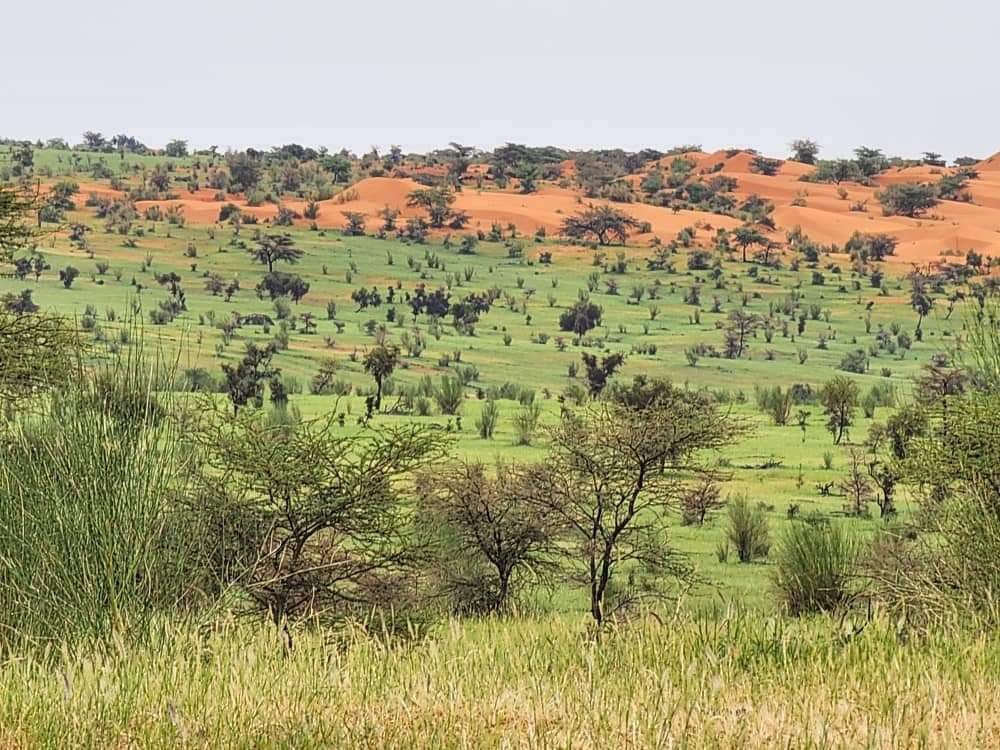
- It sits near the western edge of the Aoukar Sand Sea a broad desert basin where Sahel‑rangelands drift into dunes
Town Growth & Terrain Signature
- When you arrive, you’ll notice the town’s layout doesn’t follow a polished grid. Its growth during the late 20th century was largely informal, giving it a raw, organic feel
- Behind the town lie low escarpments and plain stretches; ahead lie open desert flats this transitional terrain shapes how people live, travel and build here.
Why this matters for you
Because Kiffa sits at this “edge”, everything from buildings (flat roofs, thick walls, small windows) to markets and livelihoods is shaped by the environment. For you as a traveller, it means you’re not just seeing “desert scenery”, you’re stepping into real adaptation.
Climate in 2025: Hot, Dry, And Adapted
Essential Climate Facts
- Kiffa has a hot desert climate (Köppen BWh).
- Daytime temperatures from April to June often exceed 40 °C
- About 85% of the town’s annual rainfall falls during July and September, but the total amount remains low and highly variable
- The surrounding rangelands remain fragile and vulnerable despite some greening in other parts of the Sahel.
What this means for your travel
- Best travel window: November through February, you’ll enjoy milder days (around 20‑30 °C) and cooler nights.
- Explore early morning or late afternoon; midday heat and limited shade make other times less comfortable.
- Pack accordingly: sun‑hat, long‑sleeves, sunglasses, plenty of water
- Accept lower‑key infrastructure. This is genuine desert‑margin life, not a resort town.
Culture & Craft: Beads, Pastoral Life & Change
Bead‑Making Heritage
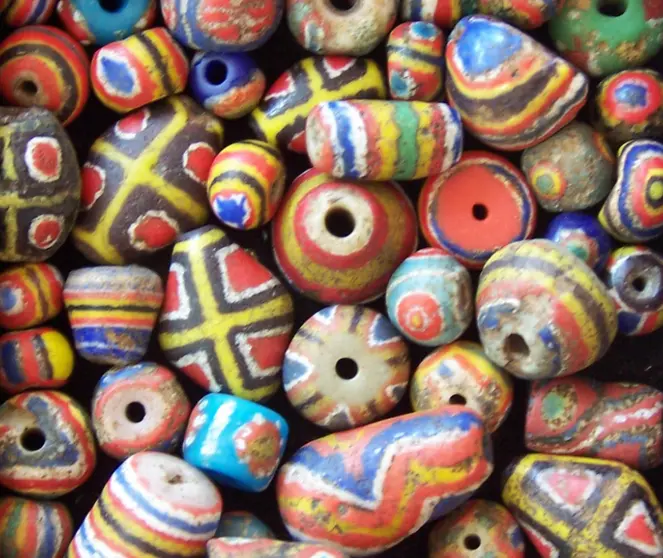
- .Kiffa is world renowned for its traditional “Kiffa beads”, finely made powdered‑glass beads crafted by women artisans. The technique involved crushed glass, a binder (gum arabic or other), forming shapes, and firing in open containers.120 km from kiffa there is a lake that has crocodiles. It is called Bougari
While the craft dates back centuries (9th‑12th centuries are sometimes cited), the last full‑traditional artisans passed away in the 1970s; today, you’ll find few makers and many references to this heritage.
Pastoralism, Farming & Evolving Livelihoods
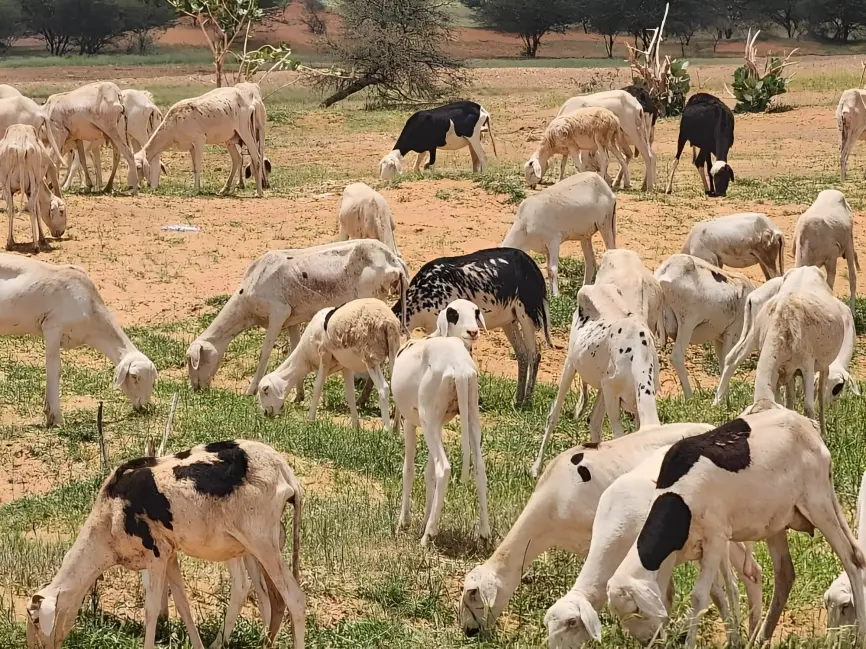
.Until the 1950s, many local families lived fully nomadic lives; goats, sheep, and camels roamed the plains. Today, livestock herding remains central, but you’ll also find small‑scale date gardens, millet farming, and craft or trade work. Walking through the market, you’ll see herders bargaining, palms being harvested, and local sellers at work.
Everyday Life & Respectful Travel
- .Kiffa isn’t built for sightseeing, only it’s a living community. You’ll see local cafés, everyday homes, and buildings shaped by sun and sand.
- For you, this means: travel with respect. Ask permission before photographing people. Support local craft by buying legitimately. Embrace the un‑touristy nature of the place and let the environment and culture speak for themselves
Economy & Trade Markets, Infrastructure & Resilience
Livestock Markets in Motion
- .Your morning in Kiffa could start as early as 06:00 when trucks and herders arrive, animals are sorted, and bargaining begins. Goats, sheep, and camels dominate. The improved road link from Kiffa toward Tintane has enhanced access for trade
- This market scene isn’t staged for tourism; it’s real life.
Infrastructure Developments (As of 2025)
- Kiffa has an operational airport (IATA: KFA, ICAO: GQNF) linking the region.
- Road and access improvements are ongoing, making travel routes from the capital more viable
- However, infrastructure remains modest. You’ll find fewer luxury lodging options, intermittent services, and remote conditions.
Your Role as a Visitor
Your presence can contribute positively: staying locally, hiring guides, buying local crafts and produce. This isn’t just tourist consumption, it’s engagement with a community adapting to desert‑edge life
Visiting Kiffa: Your Practical Guide
Getting There & Staying
- Access: From the Mauritanian capital (Nouakchott), you’ll face a significant road journey. Flights exist but may be limited or irregular.
- Accommodation: Lodging is basic. Expect guest‑houses or simple hotels rather than full‑blown resorts.
- Local guide: Hire a local guide or translator. This will make your visit smoother, safer, and richer.
What to See & Do
- Sunrise market tour: Aim for 06:00 arrival at the livestock market and date‑garden visits before the heat sets in.
- Craft visit: With permission, you may visit workshops or sellers of bead craft heritage. Buy ethically.
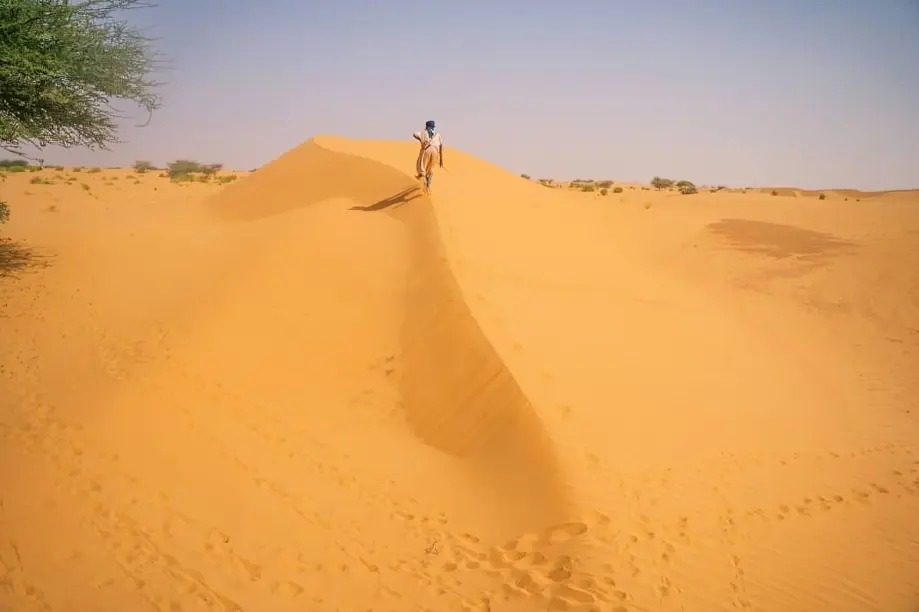
- Day‑trip beyond town: Drive to nearby escarpments or the plain edge for stark desert margin landscapes.
- Date‑garden walk: Explore the palms and date cultivation sites around Kiffa, which offer a contrast to the flat desert.
Travel Checklist (Bullet‑List)
- Best months: November to March
- Dress modestly: long sleeves, sun hat, sunglasses.
- Carrying water and snacks in remote locations means fewer amenities.
- Cash preferred card/ATM services may be limited.
- Ask permission before taking photographs to support local vendors directly.
- Be flexible: travel in remote regions often involves delays or unplanned changes.
- Familiarise yourself with travel advisories: For example, the Government of Canada advises “Avoid non‑essential travel” in many regions of Mauritania, including areas around Kiffa.
Why Kiffa Matters in 2025
Heritage & Craft Legacy
The bead‑making tradition places Kiffa on the cultural map of West Africa even if the original craft is nearly vanished. As a visitor, you’re entering a place with real heritage rather than tourist‑manufactured authenticity
Life at the Desert Margin
Kiffa offers a rare window into how communities live where the Sudan Sahel transitions into the desert. It’s not just scenery, it’s survival, adaptation, trade and settlement shaped by the environment. For you, that means authentic insights.
An Alternative to Mass Tourism
If you’re seeking more than luxury resorts and Instagram‑friendly dunes, Kiffa gives you depth, culture, and texture. The trade‑market, craft tradition, and daily rhythms are unscripted.
Final Thoughts
You’re invited to step away from the ordinary and into a town where desert‑edge life continues in full swing. Kiffa may lack luxury, but it offers authenticity: sunrise markets, pastoral rhythms, craft legacies and a landscape that tells a story.
If you travel with respect, preparation and an open mind, you’ll walk away not just with photos, but with insight. Pack your hat, your curiosity, and your willingness to embrace simplicity. In Kiffa, the pace slows, the desert margin opens, and life reveals itself in the small moments.
Frequently Asked Questions
Q1: How do I get to Kiffa from Nouakchott?
You’ll likely travel by road (several hours via regional highways) or book a flight into Kiffa Airport (IATA: KFA) if available. Remote roads and limited services are part of the journey.
Q2: What is the accommodation level in Kiffa?
Accommodation is modest: guest‑houses and small hotels rather than luxury resorts. Book ahead if possible and expect basic comforts.
Q3: When is the best time to visit Kiffa?
From November through March, the climate is cooler and more comfortable for exploring.
Q4: Is it safe to travel to Kiffa in 2025?
While Kiffa is relatively remote and off the main tourist tracks, you should check the latest advisories. For instance, Canada’s travel advisory for Mauritania notes a high risk in many regions. Travel with a guide, stay alert, and plan thoughtfully.
Q5: Can I still see authentic bead‑making in Kiffa?
You may see craft sellers and workshops referencing the heritage of Kiffa beads. However, the original traditional production largely ended decades ago and genuine “master‑made” beads are rare..