Shores of Tradition: Experiencing Imragen Life Along the Atlantic
Exploring the Coastal Heart of Mauritania
Travel in Mauritania is not just about deserts and dunes; it’s also about the vibrant communities that live along its Atlantic coast. Among these, the Imragen Tribe stands out as a people whose lives are inseparably linked to the sea. For travelers seeking an authentic cultural experience, visiting Imragen communities offers a rare glimpse into a way of life shaped by centuries of maritime tradition.
Unlike desert tribes, the Imragen have built their culture around fishing, navigation, and a deep respect for the ocean. Their connection to the sea is not only practical, but it is also spiritual, shaping social structures, rituals, and daily routines. Experiencing their world allows visitors to understand how human life can thrive in harmony with the natural environment.
The History of the Imragen Tribe
The Imragen are believed to have settled along the Mauritanian coast centuries ago, developing expertise in fishing and seafaring. Historically, they served as skilled fishers and navigators, guiding other coastal communities and participating in trade along the Atlantic shore. Despite pressures from modernization, the Imragen have preserved many of their traditional practices, passing down knowledge through generations.
Their history is also marked by resilience. Life along the coast can be harsh, with storms, tides, and limited resources. Yet, the Imragen have turned these challenges into a structured way of life, where knowledge of the ocean, weather patterns, and fish behavior is essential for survival.
Life in Imragen Communities
Daily life in Imragen villages revolves around the sea. Homes are typically built near the shore, allowing easy access to fishing boats and nets. Community cooperation is vital; families often work together in launching boats, repairing nets, and preparing catches for market.
Children grow up learning both the practical skills of fishing and the cultural values of patience, teamwork, and respect for nature. Storytelling plays a central role, with elders sharing lessons about the sea, navigation, and the tribe’s history, keeping traditions alive.
Meals in Imragen households are heavily seafood-based, featuring fish, shellfish, and locally harvested ingredients. Food is shared communally, reflecting the tribe’s strong sense of family and community cohesion.
Traditional Fishing Methods
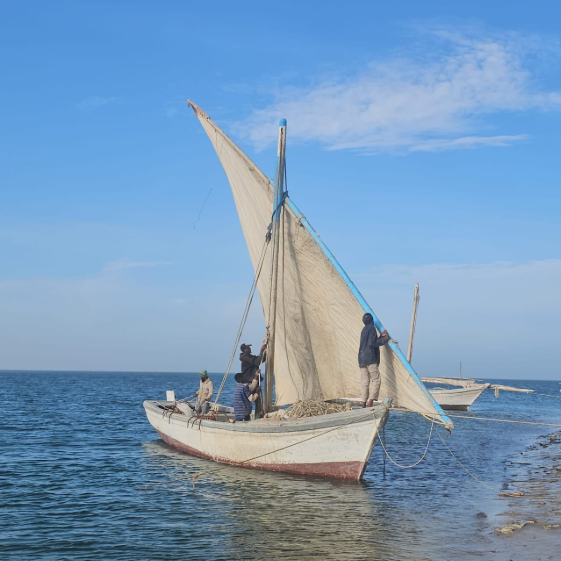
The Imragen are renowned for their unique fishing techniques. They use small, hand-crafted wooden boats, relying on wind and oar power to navigate the coastal waters. Their nets and traps are often handmade, following designs perfected over generations.
Fishing is highly collaborative: several boats may go out together, each crew following a coordinated plan to locate fish and bring in a successful catch. Beyond the physical skill required, fishing demands intimate knowledge of tides, currents, and seasonal patterns.
Some of their most fascinating methods include:
- Net Fishing: Using large hand-woven nets set strategically in tidal channels.
- Spear and Line Fishing: Practiced in shallow waters, requiring precision and patience.
- Sustainable Practices: The Imragen often leave certain areas untouched to allow fish populations to replenish, showing a long-standing respect for marine ecology.
Observing these practices provides travelers with a deep appreciation for the expertise, patience, and cultural knowledge embedded in every fishing expedition.
Cultural Significance of the Sea
For the Imragen, the ocean is more than a source of food; it is central to identity and heritage. Rituals, songs, and storytelling often revolve around maritime life, honoring both the bounty and challenges of the sea. Community festivals and celebrations frequently incorporate symbolic references to fishing, tides, and navigation.
Their maritime culture also influences social values: cooperation, courage, and respect for elders are all reinforced through the shared experience of life at sea.
Respectful Cultural Experiences
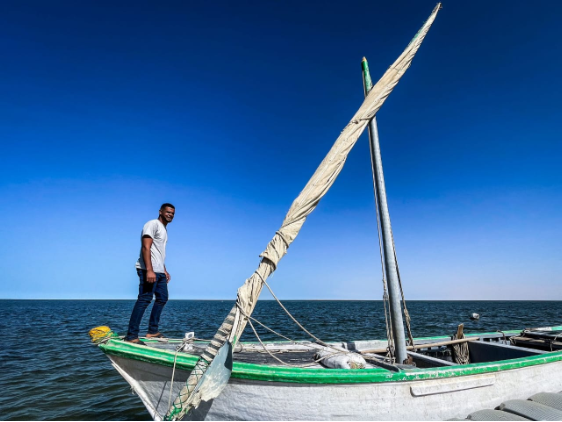
Travelers visiting Imragen communities can engage in guided experiences that are both respectful and educational. Opportunities may include:
- Watching daily fishing routines firsthand
- Learning about traditional boat-building and net-weaving techniques
- Participating in community meals and cultural storytelling sessions
Guided tours led by local experts ensure that visitors understand the deeper meaning of these practices while preserving the dignity and privacy of the Imragen people.
A Journey Beyond Sightseeing
Experiencing the Imragen way of life provides a cultural depth that goes far beyond conventional tourism. Travelers gain insight into a community whose identity is intertwined with the ocean, its history, and its natural rhythms. Every boat launch, net repair, and fish catch tells a story of resilience, knowledge, and communal harmony.
Mauritania’s coastal regions remain one of the few places where travelers can witness such an authentic maritime culture. With the guidance of local experts, visitors leave with not just photographs but a true understanding of the human stories behind the sea.
Frequently Asked Questions
Who are the Imragen fishermen?
The Imragen are a traditional coastal tribe in Mauritania, renowned for their fishing expertise and seafaring heritage, passed down over generations.
What makes their fishing methods unique?
Their techniques involve small wooden boats, hand-woven nets, spears, and coordinated teamwork, all based on centuries of accumulated knowledge about tides, currents, and fish behavior.
How is the Imragen lifestyle connected to the sea?
Daily life, food, social structure, and cultural rituals are all intimately tied to the ocean, reflecting both practical needs and spiritual significance.
Can travelers visit Imragen communities?
Yes, with respectful guided tours, visitors can observe fishing practices, learn about maritime traditions, and participate in cultural storytelling and meals.
Why visit Mauritania for cultural travel?
Mauritania offers a rare opportunity to experience authentic communities like the Imragen, where history, culture, and environment are inseparably linked.