Tourism in Mauritania
A Complete Guide
Introduction
The sun dips behind the dunes, painting the horizon in gold and crimson. The air feels dry yet alive — carrying whispers of wind and grains of sand that glimmer like stars beneath your feet. You’ve just arrived in Mauritania, a land where the desert meets the sea, where ancient towns guard centuries of history, and where silence often speaks louder than words.
For travellers who crave authenticity and meaning over crowds and comfort, Mauritania is one of the last untouched frontiers. This guide will help you uncover its wonders from desert adventures to coastal escapes and plan a journey that’s both respectful and unforgettable.
Mauritania at a Glance
- Best for: Adventurous travellers, history lovers, and culture seekers
- Top experiences: Ancient towns of Chinguetti and Ouadane, Adrar Desert dunes, Banc d’Arguin National Park
- Ideal travel time: November to March
Expect: Minimal crowds, deep traditions, stunning desert meets ocean landscapes
Why Visit Mauritania?
A Land of Desert and Ocean
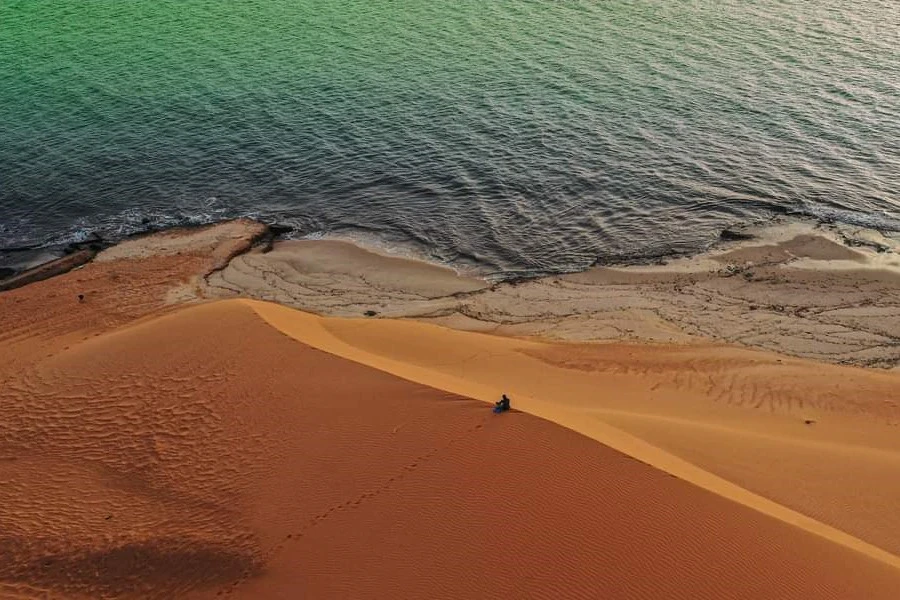
- Few places on Earth blend two extremes so gracefully. Over 90% of Mauritania lies within the Sahara Desert, yet it stretches along a striking Atlantic coastline.
- One day, you might climb dunes that ripple endlessly under the blazing sun. Next, you could stand by the ocean, watching fishermen haul their nets at dawn. This rare contrast of sand and sea gives Mauritania a beauty that feels almost otherworldly perfect for travellers seeking something beyond the ordinary.
Echoes of History: Ancient Towns and Cultural Heritage
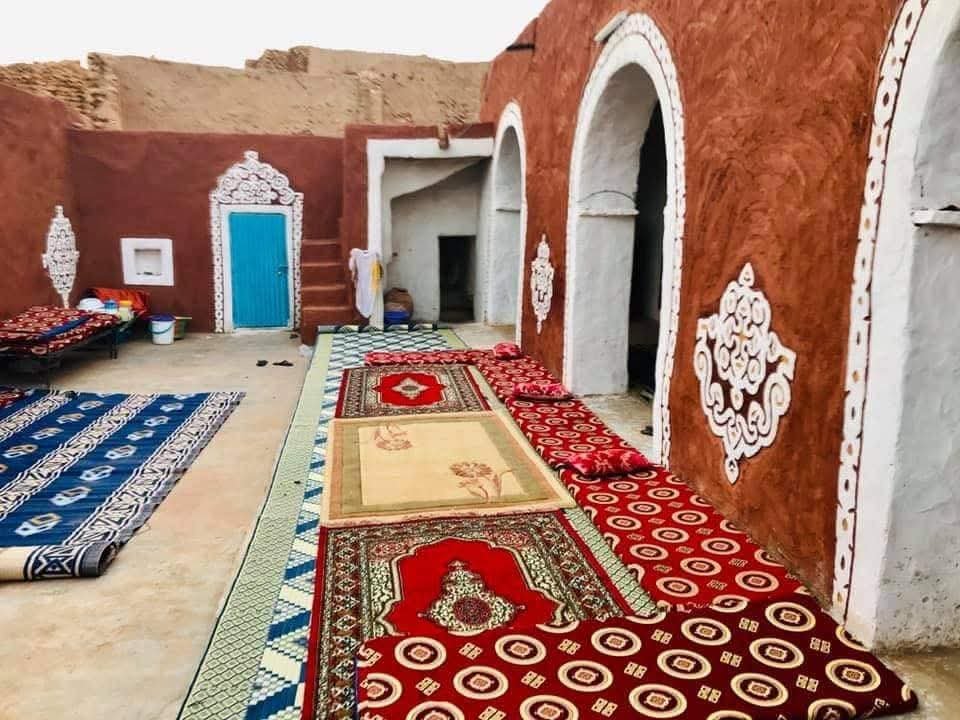
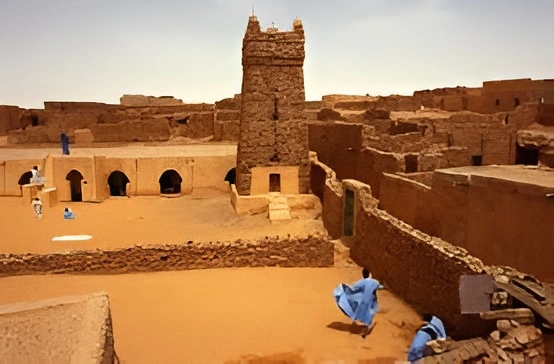
- History in Mauritania isn’t locked behind museum glass, it’s alive in its ancient desert towns. Walk the narrow, sand filled streets of Chinguetti, Ouadane, Tichitt, or Oualata, all UNESCO World Heritage Sites and you’ll feel the pulse of centuries past.
- In Chinguetti, once a great centre of Islamic scholarship, locals may still invite you to see centuries old Qur’an manuscripts. The scent of mint tea lingers in the air, and as you listen to stories passed down through generations, you realise this isn’t just sightseeing, it’s a step back in time.
A Frontier for the Curious Traveller
- Mauritania’s tourism scene remains young, intimate, and real. Don’t expect glossy resorts or bustling nightlife instead, you’ll find raw landscapes, genuine encounters, and stories that stay with you.
- Travellers who visit often speak of the deep calm they find here, the kind that only comes from being surrounded by endless horizons.
- Yes, it’s a country that requires awareness and planning, but for those who go, the experience is deeply rewarding.
Top Experiences in Mauritania
1. Ancient Trading Towns of Chinguetti and Ouadane
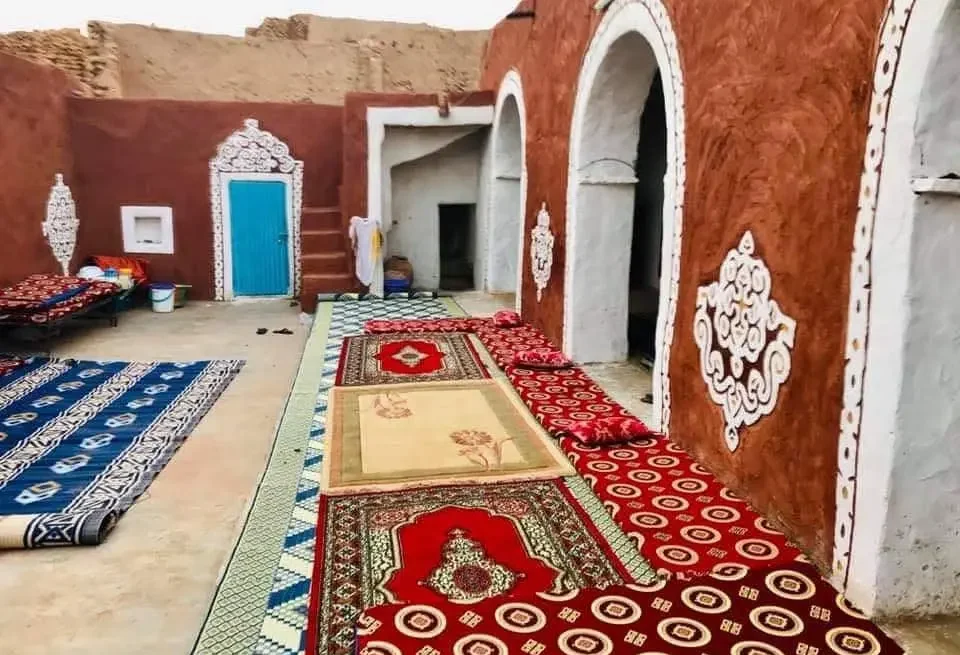
- Start your journey in Chinguetti, the fabled “City of Libraries.” Wander through alleys lined with mud brick walls. Visit historic libraries that house centuries old manuscripts and talk with locals who see themselves as the guardians of Mauritania’s soul.
- Just a few hours away, Ouadane unfolds like a mirage, a ruined trading post rising from the sand. As evening falls, the call to prayer echoes softly over the dunes, and the town glows under a blanket of desert stars.
These towns are not tourist stops; they’re living memories.
2. The Adrar Desert: Adventure in the Sands
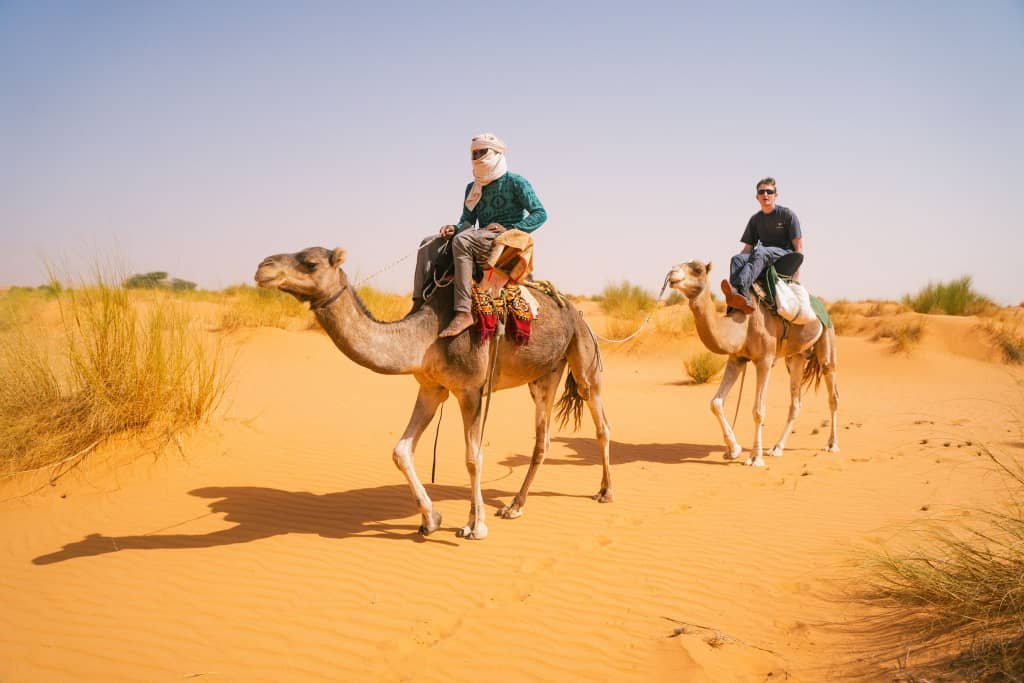
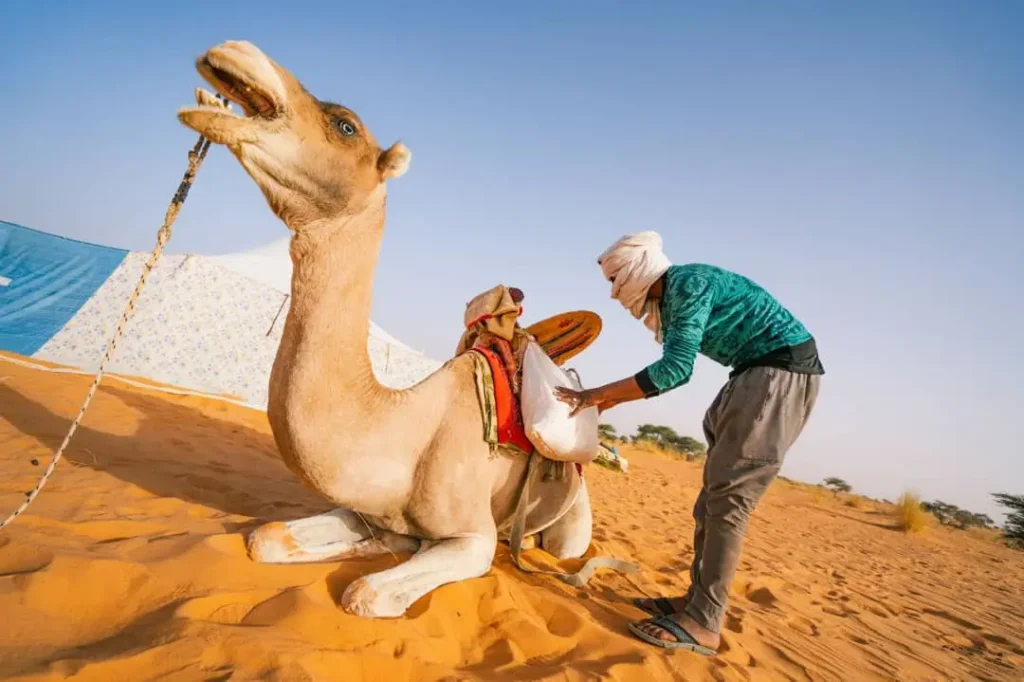
- If you’re drawn to the desert’s vastness, head to the Adrar region, where dunes, canyons, and oasis villages create an unforgettable landscape. The oasis of Terjit is a hidden valley of palms and freshwater springs where travellers cool their feet after hours of desert trekking.
- For the truly daring, there’s the iron ore train, one of the longest in the world. Adventurous souls sometimes ride its open freight cars across the desert. It’s rough, dusty, and unforgettable, the kind of story you’ll tell for years.
3. Banc d’Arguin National Park: Where the Desert Meets the Sea
- To the west lies the Banc d’Arguin National Park, a UNESCO protected area where dunes spill into the Atlantic Ocean. It’s home to migratory birds, dolphins, and fishing villages where people still use traditional sailboats.
- Standing here, watching flamingos rise against a backdrop of sand and surf, you understand why this place feels sacred, untouched by time and technology.
4. Hidden Corners and Nomadic Encounters
- Some of Mauritania’s most magical moments come unplanned: sharing tea with nomads in a remote camp, hearing desert poetry by moonlight, or finding yourself alone by a silent spring.
- Locals often say, “The desert welcomes the patient heart.”
In Mauritania, that patience is always rewarded.
Planning Your Trip: Practical Guide
Best Time to Visit
The most comfortable travel season runs from November to March, when days are warm and nights pleasantly cool. The rest of the year brings intense heat and sandstorms — best avoided unless you’re fully prepared.
Getting There and Around
- Most travellers arrive via Nouakchott, the capital. From there, 4×4 vehicles are essential — roads are often unpaved, and distances are long. Expect spotty mobile coverage and bring offline maps.
- The beauty lies in the journey itself, long drives through silence and sand that shift with the wind.
Where to Stay
Mauritania offers modest yet memorable stays, guesthouses, eco lodges, or desert camps under starry skies. In Chinguetti or Ouadane, simple accommodation often includes warm hospitality, home cooked couscous, and stories around the fire.
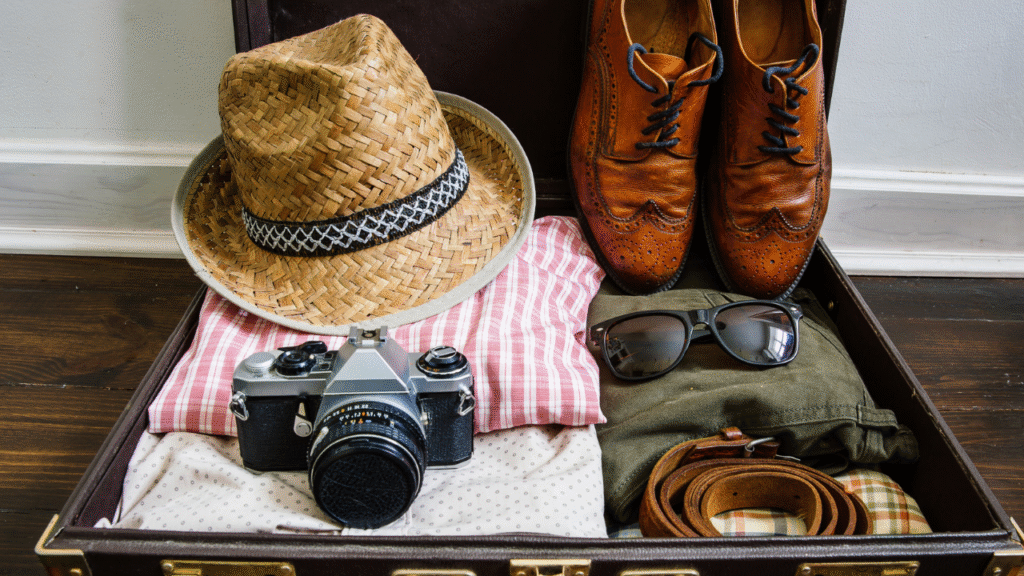
What to Pack
You’ll need:
- Light, breathable clothing
- A scarf or turban for dust protection
- A wide brimmed hat and sunscreen
- Sturdy shoes for dunes
- Layers for cool nights
- Ample water and a first aid kit
Carry cash, as card services are rare outside major towns.
Health and Safety
Mauritania is safe for well prepared travellers who follow local advice and travel with guides.
Stay hydrated, protect yourself from the sun, and keep informed about regional updates.
Respect the culture, dress modestly, ask before taking photos, and greet with kindness.
Challenges and How to Embrace Them
Travelling in Mauritania means stepping away from comfort zones and that’s part of the adventure.
- Remoteness: Distances are vast and facilities are limited. But that solitude is what gives Mauritania its magic.
- Climate: The desert sun can pace yourself and travel during cooler months.
- Infrastructure: Expect occasional detours, slow roads, or sand blocked paths. Take them as reminders that this is real travel unfiltered and alive.
Every challenge deepens your experience, teaching patience and appreciation for life’s simpler rhythms.
Frequently Asked Questions
1. Is Mauritania safe to visit?
Yes but travel smart. Use trusted local guides, avoid border zones, and follow official updates
2. What are the must see places in Mauritania?
The ancient towns of Chinguetti and Ouadane, Banc d’Arguin National Park, Adrar Desert, and Terjit Oasis.
3. When is the best time to go?
November to March cooler weather, clearer skies, and better road conditions.
4. What should I pack?
Light clothes, layers for nights, sunscreen, sturdy shoes, cash, and a travel first aid kit.
[…] that remain relatively untouched by mass tourism, this vast wilderness remains unspoiled by mass tourism; in this guide, you will discover practical logistics as well as what sights await and why this destination […]
[…] That’s where Kiffa steps in. Located deep in southern Mauritania, this town offers you authentic desert‑edge living, craft tradition and market rhythms in 2025. […]